This article was also published in REDESCover, DDIA’s weekly newsletter. Click here to subscribe and get the next edition delivered straight to your inbox.
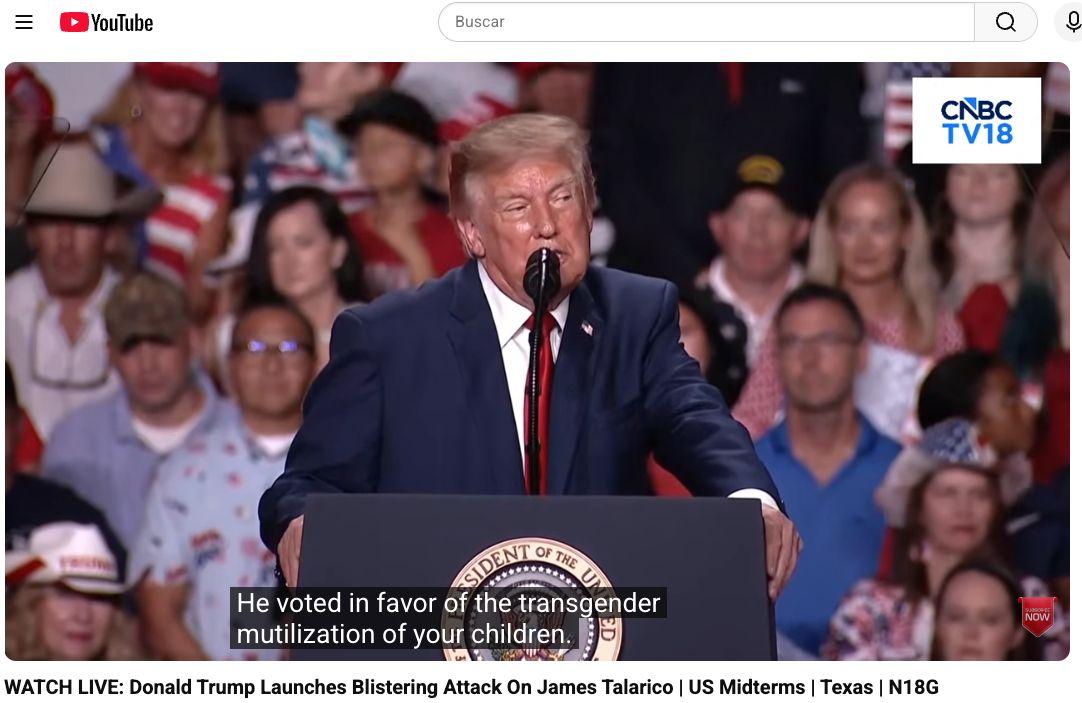
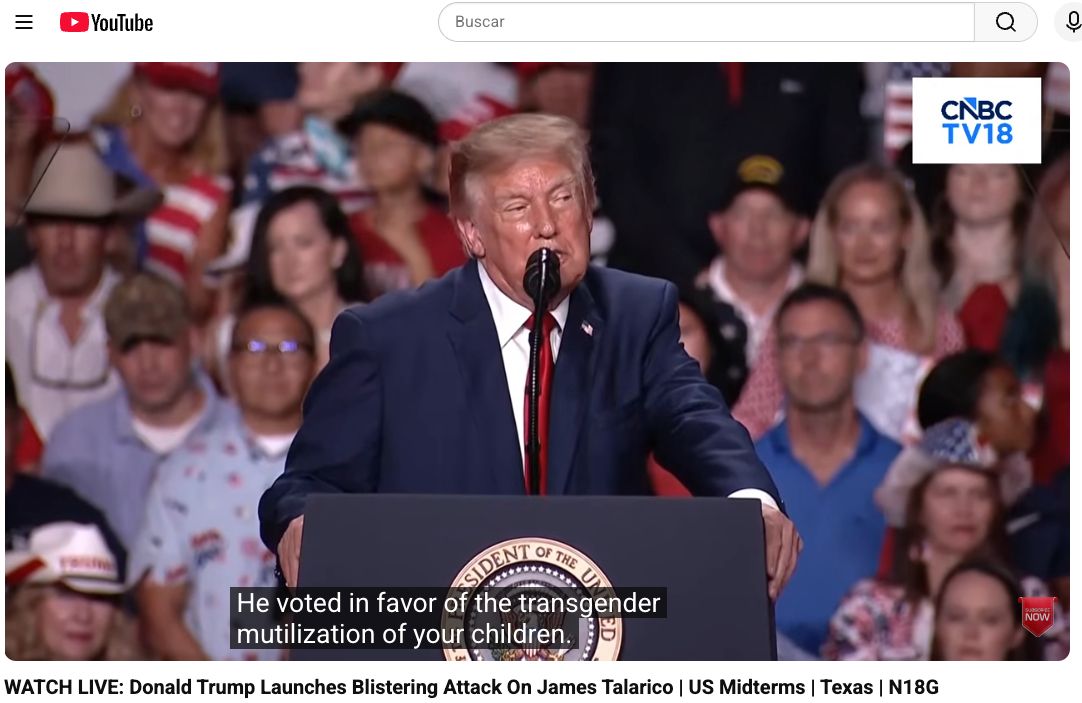
In the final stretch of Texas’s U.S. Senate race, President Donald Trump, conservative influencers and right-wing media outlets have stepped up attacks on Democratic candidate James Talarico over transgender rights. This week, Republicans doubled down on claims that Talarico supports the “chemical castration” and “medical mutilation” of transgender minors, using inflammatory language to describe treatments such as puberty blockers and hormone therapy. The attacks, which began in English, spread across Spanish-language social media between October 19 and 26, but encountered a (smart) response that largely avoided amplifying the allegations.
Talarico’s record has (without a doubt) fueled the controversy. During the current campaign, he has repeatedly said he would “absolutely” support a nationwide ban on gender-affirming surgeries for minors. But in 2023, as a Texas state representative, he voted against a bill that would have banned certain gender-affirming surgeries, puberty blockers and hormone treatments for minors. Republicans have seized on that vote to question his current position, often blurring the distinction between surgical and nonsurgical care.
DDIA's social media monitoring identified several conservative outlets and influencers pushing these attacks into Spanish-language conversations, building on previous campaigns targeting Talarico (documented by our researchers here and here).
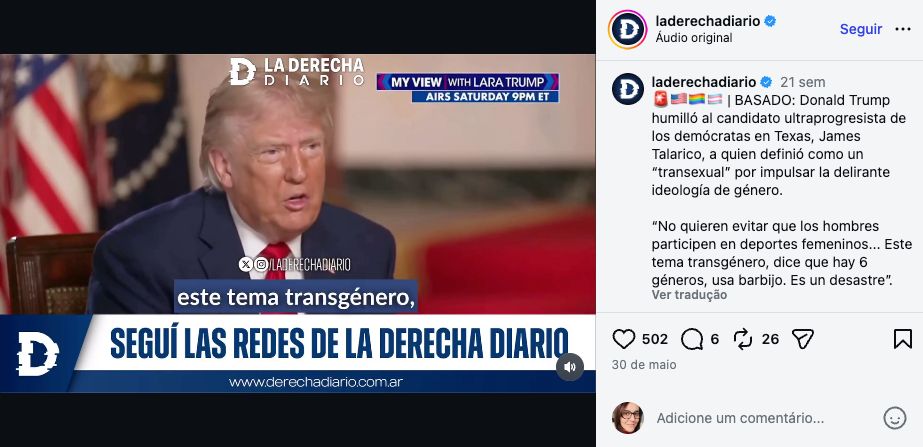
In a video amplified by Argentina's La Derecha Diario, Trump accused Talarico of saying that "God is transgender" — a reference to an actual statement by the Democrat — and claimed he supported gender-transition procedures for minors and transgender athletes competing in women's sports (using, as described above, past legislative votes).
Conservative outlet Voz Media USA circulated an advertisement featuring educator and former member of the Laredo Conservative PAC Dolores Medrano, who accused Talarico of endorsing dangerous medical procedures for children.
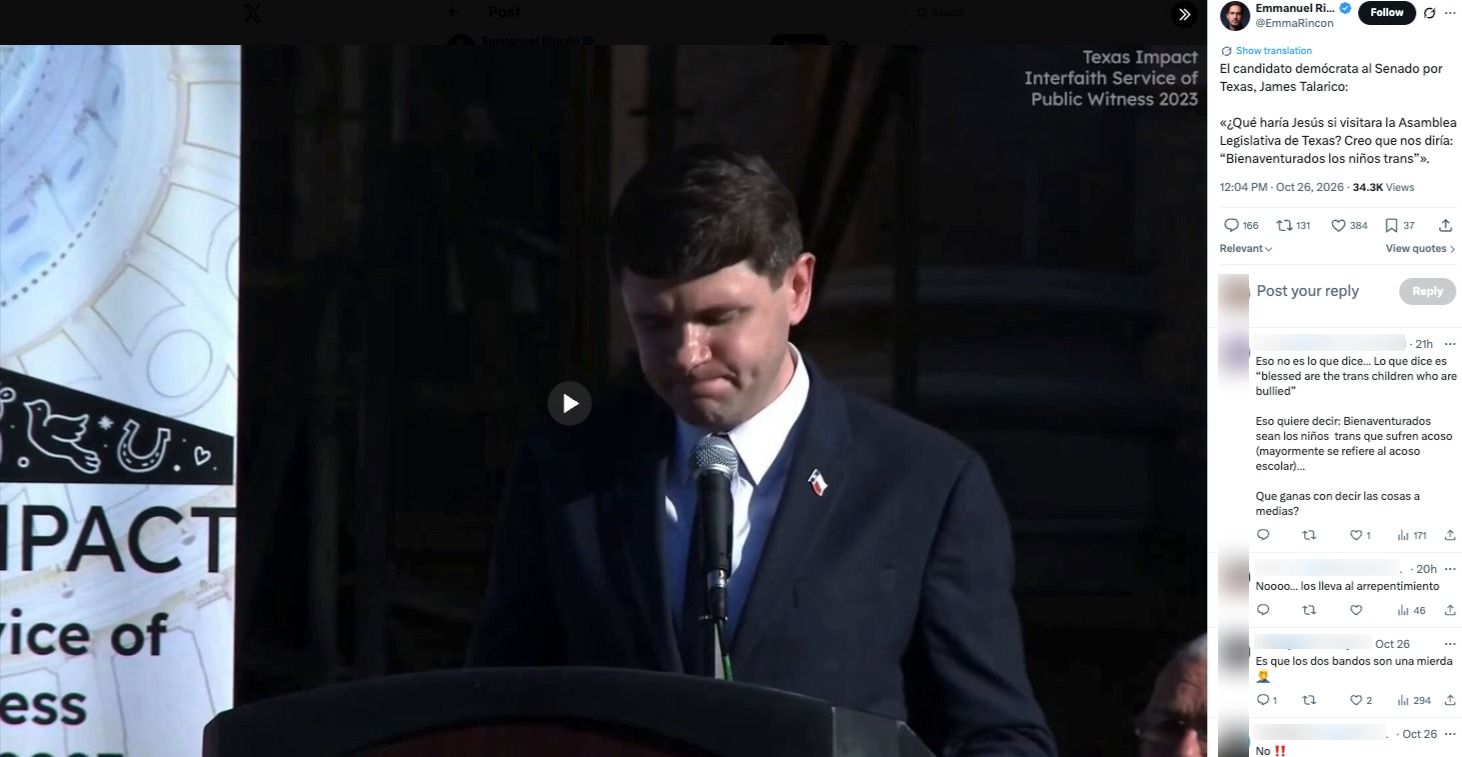
Right-wing influencer Emmanuel Rincón attacked Talarico's progressive Christian beliefs, highlighting his statement that Jesus would tell Texas lawmakers, "Blessed are the transgender children."

Other conservative voices joined the effort. UniVista TV amplified criticism from Elon Musk, while Republican candidate Irene Armendariz-Jackson warned voters that electing Talarico would mean supporting abortion, transgender access to women's bathrooms and state taxes. These claims, presented without evidence that Talarico endorsed all those positions, drew engagement from Latino audiences.
But Latino voices challenged the attacks
The strong conservative messaging described above encountered resistance from Latino digital creators and voters online. And the tactic adopted was not simply to deny the attacks, but to redirect attention toward Paxton's legal controversies and economic issues.
Left-leaning influencer Carlos Eduardo Espina published videos examining Paxton's securities fraud indictment, allegations from FBI whistleblowers and reports about a luxury trip to Dubai in 2025 involving individuals facing fraud charges. Espina also praised Talarico's support for working families and shared videos of the Democrat speaking Spanish that attracted millions of views.
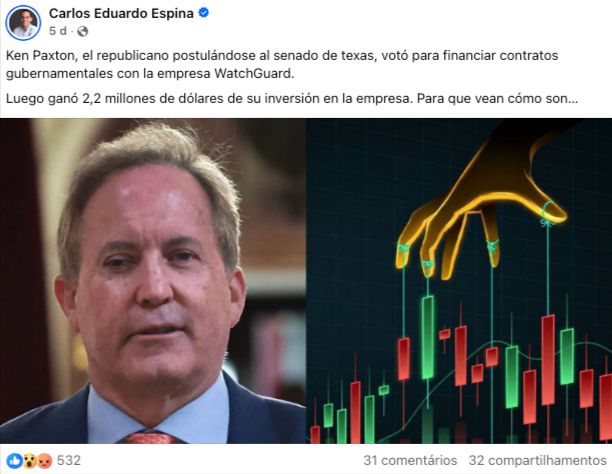
Besides that, interviews published by the YouTube channel 23yFlagler featured Latino voters who said they were abandoning the Republican Party. "I voted for Donald Trump. I've been a Republican my whole life," one Latino man said, before citing the cost of living, property taxes, immigration and the treatment of immigrants as reasons for supporting Talarico.
Talarico's strategic silence may limit the attacks' reach
But perhaps the most significant finding is how Talarico has responded: Rather than repeatedly confronting the allegations about transgender minors, his Spanish-language campaign has largely focused this week on discussing family values, economic security and shared aspirations.
Through Talarico en Español, the candidate emphasized affordable living, education, retirement and safe communities. His campaign has also expanded its Latino outreach through appearances in the Rio Grande Valley alongside Tejano singer Bobby Pulido, Los Tigres del Norte and actress Eva Longoria.
That approach highlights the potential value of strategic silence in an algorithm-driven information environment. As well-known, social media platforms use engagement signals, including comments, shares and reactions, to determine which content receives greater visibility. Repeatedly responding to a provocative allegation can therefore amplify it, even when the response seeks to debunk or condemn it.
By declining to engage directly with every attack, a candidate (and their supporters) may avoid generating additional attention for the original narrative and instead direct audiences toward other issues. Silence does not guarantee that a controversy will disappear, and platform algorithms operate differently, but limiting engagement can reduce one pathway through which inflammatory content spreads.